






Blog / Car Advice

Winter Driving Tips in Kansas

Cars at a Wichita, KS red light in the snow

Between shopping trips, holiday parties, and family gatherings, you probably spend a lot of time on the road in winter. While winter driving can be especially hazardous, there are steps you can take to stay safe. Here are some tips for making winter driving a little safer and a little less stressful.

Be Prepared

With the arrival of cooler temperatures, you should take steps to prepare your vehicle for the winter months. Make sure your headlights and taillights are operating correctly. Check your windshield wipers for any wear and tear, and replace them if necessary. Also, make sure that the windshield wiper fluid reservoir is full. 

Your vehicle should have plenty of engine coolant and antifreeze. Your owner's manual will tell you how much antifreeze to add. Your car's belt, hoses, and brakes should be checked, as well as the exhaust system. Excessive wear and tear of these components can cause many problems. You should also consider switching to winter-grade oil when it's time for an oil change. 

Snow Tires

While your vehicle's tires might be in good working order, you might want to consider investing in a good set of snow tires. While some drivers choose to use chains in the winter, safety experts do not recommend this, as chains are unsafe for driving on highways or other high-speed roads. If you're concerned about the expense, used snow tires are an affordable option. Just make sure that all four tires are the right size and that they match. Your owner's manual will note the correct snow tire size.  

Emergency Kit

Just as you should prepare your vehicle for winter driving, you should be ready in case of an emergency. Shovels, brooms, ice scrapers, and jumper cables are all essential tools to have on hand. Keeping a bag of kitty litter in your trunk will come in handy if you need extra traction. It's good to keep a flashlight, flares, and first aid kit in your vehicle all year long, but these items are especially necessary for winter. Blankets and non-perishable snacks will keep you comfortable in case you have to wait for emergency assistance. 

Drive Safely

While you should always take precautions when driving, you should be extra careful in winter. As you head to work, school, or a family gathering, make sure to leave the house early. An early departure will give you plenty of time to reach your destination, especially if you have to drive slower or deal with any delays. You'll also have plenty of time to make sure that your windows, mirrors, and lights are clear of any frost or snow. 

Before you start your car, make sure to buckle up and that all passengers have their seat belts buckled. Make sure to keep a safe distance between yourself and other drivers. You should always brake, accelerate, and turn more slowly on icy roads. 

These are just some of the ways you can drive more safely in the winter. By following these tips, you'll have a more enjoyable season.
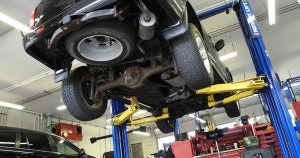
Image via Pixabay by kentdufault

Posted in:

Related Posts

An SUV on a lift, having its wheel alignment assessed in Wichita, KS

Why Proper Alignment Is So Important for Your Tires

It's important to adjust alignment every six months, or even immediately if the car has suffered an impact. Tire alignment can be affected by normal use over time, if the car hits curbs or minor obstacles, or if it is in an accident. Professional maintenance is important for your car for several reasons. Here are a few. more Alignment Keeps You Safe If your wheels are poorly aligned and you let go of your wheel slightly, the car could veer left or right without your intention. This is unsafe. It means that your car is not driving in a steady, natural line and that its direction is not fully controlled. This creates a greater risk of slipping or veering into neighboring lanes. Alignment Can Maintain the Quality of Your Tires If tires are not aligned and they are left this way, this aspect could ruin the quality of the wheels over time. The wear is usually uneven across the tires so that one tire will be less effective than the other. This uneven wear can further impact the safety of the tires. Replacement is expensive, and if you can't afford to buy new tires, you're in danger while on the road. Even after replacing the tires, if professional alignment is not continually sought out, then the situation can repeat itself with each new set. The risk and cost of leaving your tires without an alignment is not worth the negligence. Alignment Can Maintain the Operation of Your Car The uneven pressure that is placed on the differently worn tires can make your car labor more extensively in order to maintain itself. This is due to the unparalleled or irregular tension created between the tires and the road, which makes driving less effective and thus takes a toll on the car's capacity. The car might have to work a lot harder to keep pace. This could also mean that fuel is burned at a faster rate. With fuel pricing so high, do you really want to spend more? Misaligned Tires Can Make Driving Uncomfortable Your car isn't the only thing that will feel the impact of misaligned or uneven tires. You might feel the impact as a driver. The most common experience is sensing a vibrational feeling on the steering wheel. It's also possible you could hear added noise as the tires clash against the road — this is especially true if the road is not very even. Plus, your steering wheel might slide freely if you are not paying attention to your grip. Likewise, the steering might just feel off or the wheel could drift toward different directions. Misalignment often goes without symptoms though. Therefore, catch any problems before they worsen by bringing your car to a pro. You might also want to check your tire pressure to see if there are any other signs of wear. There are many things you need to do when caring for your car, but how often do you have your tires aligned by a professional? You might wish to keep these reasons for correct alignment in mind and regularly visit your local mechanic. Image via Pixabay by danvolks99

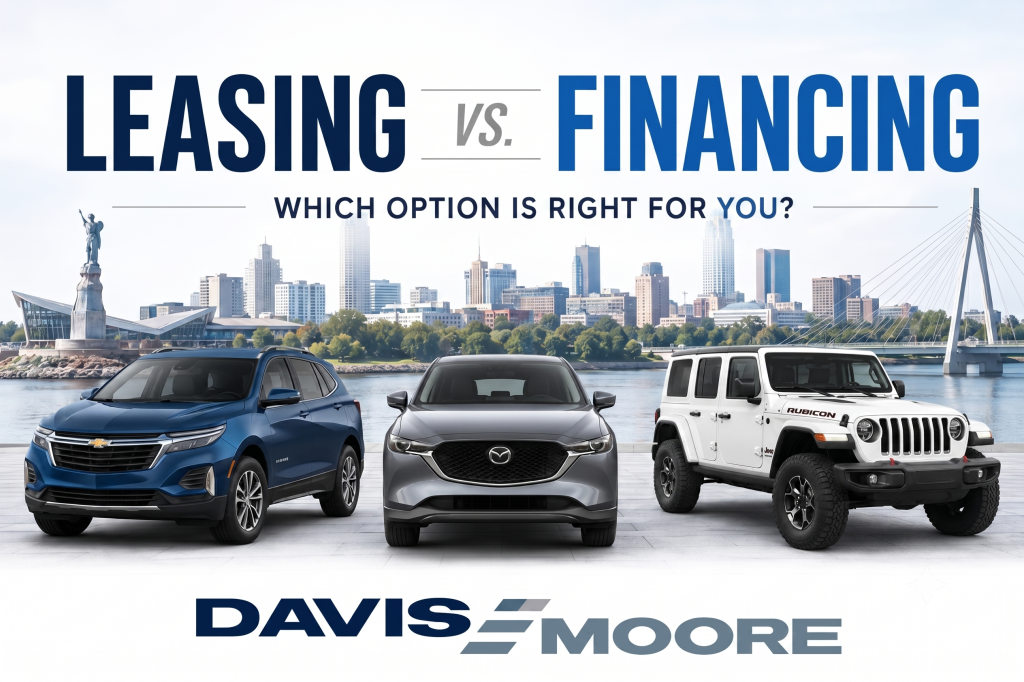
Leasing or Financing: Which Option Is Right for You?

Buying a new vehicle is an exciting milestone, but one of the biggest decisions you'll make comes before you even drive off the lot: Should you be leasing or financing? Both options offer unique benefits, and the right choice depends on your driving habits, budget, and long-term goals. Whether you're shopping for a new Jeep, Chevrolet, Mazda, Chrysler, Dodge, Ram, or another vehicle, understanding the differences can help you make a confident decision. Let's break down the pros and cons of leasing and financing so you can determine which option best fits your lifestyle. What is the difference between leasing and financing? Which options works best for you? What Does It Mean to Lease a Vehicle? When you lease a vehicle, you're essentially paying to drive it for a set period, typically 24 to 36 months. Instead of paying toward ownership, you're paying for the vehicle's depreciation during your lease term. At the end of your lease, you generally have three options: Return the vehicle and lease a new one. Purchase the vehicle. Return the vehicle and explore other options. Leasing is a popular choice for drivers who enjoy upgrading to the latest models every few years. Benefits of Leasing Lower Monthly Payments Because you're paying for the vehicle's depreciation rather than its full purchase price, lease payments are often lower than finance payments. Drive the Latest Technology Leasing makes it easier to enjoy the newest features, including: Advanced safety technology Updated infotainment systems Improved fuel efficiency Modern styling Lower Maintenance Costs Many leased vehicles remain under the manufacturer's warranty throughout the lease term, which can help reduce unexpected repair costs. More Flexibility If you enjoy driving a new vehicle every few years, leasing allows you to upgrade more frequently without worrying about selling or trading in your current vehicle. What Does It Mean to Finance a Vehicle? Financing means you're purchasing the vehicle by making monthly payments over a set loan term. Once the loan is paid off, the vehicle is yours. Financing builds equity in your vehicle, making it a great long-term investment for many drivers. Benefits of Financing You Own the Vehicle Once you've paid off your loan, you own the vehicle outright. That means no monthly payments and the freedom to keep it for as long as you'd like. No Mileage Restrictions Unlike most leases, financing doesn't include mileage limits. If you drive long distances for work, road trips, or family activities, financing may be the better fit. Customize Your Vehicle Because you own the vehicle, you can personalize it with accessories, lift kits, wheels, window tint, and other upgrades without lease restrictions. Build Equity Every payment brings you closer to full ownership. If you decide to trade in your vehicle later, its value can help offset the cost of your next purchase. Lease vs. Finance at a Glance Leasing Financing Lower monthly payments Build ownership and equity New vehicle every few years Keep your vehicle as long as you want Warranty coverage during most lease terms No mileage restrictions Mileage limits apply Customize your vehicle freely Return or purchase at lease end Vehicle becomes yours after payoff Which Option Fits Your Lifestyle? Leasing May Be Right for You If You: Like driving a new vehicle every few years Want lower monthly payments Drive fewer miles each year Enjoy having the latest technology and safety features Prefer warranty coverage for most of your ownership experience Financing May Be Right for You If You: Plan to keep your vehicle for many years Drive long distances regularly Want to build equity Like customizing your vehicle Want complete ownership Questions to Ask Yourself Before deciding, consider these questions: How many miles do I drive each year? How long do I usually keep my vehicles? Is having the latest technology important to me? Do I want lower monthly payments or long-term ownership? Will I customize my vehicle? Your answers can help point you toward the option that best fits your lifestyle and budget. Let Davis-Moore Help You Decide Choosing between leasing and financing doesn't have to be complicated. At Davis-Moore, our team is here to explain both options, answer your questions, and help you find a payment plan that works for your needs. Whether you're looking for the flexibility of a lease or the long-term value of financing, we'll help you make an informed decision with no pressure. Stop by one of our dealerships or contact our team today to explore your options and find the vehicle that's right for you. Because at Davis-Moore, we're committed to helping you enjoy every mile, whether you lease it or own it.

Discover the Financial Advantages of Purchasing Pre-Owned Vehicles Instead of New in Wichita, KS

Discover the Financial Advantages of Purchasing Pre-Owned Vehicles Instead of New in Wichita, KS

When it comes to purchasing a vehicle, one of the most significant decisions you'll face is whether to buy a new or used car. While the allure of a brand-new vehicle is undeniable, the financial advantages of opting for a used car are substantial. When searching for a “used car dealer near me,” Davis-Moore Auto Group is here to highlight the financial benefits of buying used cars over new ones. Considerable Savings on Depreciation One of the most compelling reasons to buy a used car is depreciation. New cars lose value the moment they are driven off the lot. On average, a new car can depreciate by 20% to 30% within the first year. When you purchase from a used car dealer, you avoid this initial hit, allowing you to get more value for your money. Used cars have already experienced their most significant depreciation, meaning they retain their value longer and offer a better return on investment. Lower Insurance Costs Insurance premiums are another factor where used cars have a distinct advantage. New cars typically come with higher insurance rates due to their higher value and replacement costs. By choosing a used car, you can significantly reduce your insurance expenses. Lower premiums mean more money in your pocket each month, contributing to overall savings. Reduced Registration Fees Another often overlooked cost is the registration fee, which is usually based on the value of the car and its model year. New cars incur higher registration fees during the first few years. By opting for a vehicle from a used car dealership in Wichita, you can benefit from lower registration costs, further enhancing your financial savings. More Affordable Financing Options One of the most significant benefits of buying used is the availability of used car financing. Many dealerships, including Davis-Moore Auto Group, offer competitive financing rates for used cars. Lower interest rates coupled with the lower purchase price of used cars make financing a used vehicle much more affordable than financing a new one. This can result in lower monthly payments and less financial strain. A Wide Selection of Quality Vehicles Modern used car dealerships, like Davis-Moore Auto Group, offer a wide selection of high-quality used vehicles. Many of these cars are just a few years old and come with low mileage, providing you with reliable options that meet your needs and budget. Plus, with rigorous inspection processes and available vehicle history reports, you can buy with confidence. Visit Davis-Moore Auto Group Today The financial benefits of buying used cars are clear. From avoiding steep depreciation and enjoying lower insurance costs to benefiting from reduced registration fees and affordable financing options, choosing a used car makes sound financial sense. Visit Davis-Moore Auto Group, your trusted dealership, when searching for “used cars near me.” Explore our extensive inventory and find the perfect used car for you. Don't wait—drive home a great deal today.