




Blog / 2019 Chevy Silverado 2500

When You Need a Truck that Works for You Consider the 2019 Chevrolet Silverado 2500HD

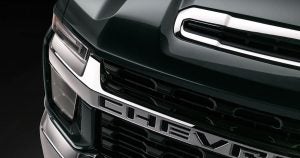
A close-up view of the headlight on a 2019 Chevrolet Silverado 2500 HD pickup truck

If you're looking for a dependable and durable heavy-duty truck that offers excellent tow ratings as well as a comfortable and well-equipped cabin, the 2019 Chevrolet Silverado 2500HD might just be the truck for you. You can also customize your Silverado 2500HD to suit your needs and tastes. Choices include double-cab and crew-cab body styles, as well as standard or long beds. Furthermore, you can choose from four trims: Work Truck, LT, LTZ, and High Country. 

There are also exciting limited editions available, which include the Tribute Edition, Alaskan Edition, Custom Sport Edition, and Midnight Edition. With these special editions come various aesthetic add-ons as well as performance features. Here is some more information on the Silverado 2500HD.

Spacious and Comfortable Interior

The interior of the Silverado 2500HD is roomy and can accommodate five adults comfortably. The inclusion of sound-deadening materials in the cabin, as well as triple-sealed doors, also make for a quiet interior space. Although the Work Truck is pretty bare bones, it offers standard features like rubberized floors, vinyl upholstery, a 40/20/40 split front bench seat, power doors and locks, and air conditioning. Higher trims add many convenient and luxury features, including heated and ventilated seats, leather upholstery, dual-zone automatic climate control, driver-seat memory, power-adjustable pedals, and a wireless phone charger.

Advanced Technology

The Silverado 2500HD comes with a well-equipped standard infotainment system that offers a 7-inch display, Bluetooth, Apple CarPlay and Android Auto compatibility, and six speakers. Higher trims add a 4G LTE Wi-Fi hot spot, SiriusXM, HD radio, navigation, and a Bose premium sound system. There are also many advanced driver-assist features to offer, which include front pedestrian parking, forward-collision warning, parking sensors, adaptive cruise control, lane change alert with side blind zone alert, and a high-definition surround-vision camera.

Excellent Performance

Two powerful and robust engines are offered with the Silverado 2500HD. The standard engine is 6.0-liter V-8 that generates 360 horsepower and 380 pound-feet of torque. Also available is a very powerful 6.6-liter V-8 turbo diesel, also mated to a six-speed automatic, that generates 445 horsepower and 910 pound-feet of torque. This engine can also be had with an added bi-fuel option that allows it to run on gasoline. Rear-wheel drive is standard and four-wheel drive optional.

The Silverado 2500HD delivers massive tow ratings. If your truck is equipped properly, the standard engine can handle up to 14,400 pounds, whereas the diesel engine delivers an amazing tow rating of 15,400 pounds. With the Silverado 2500HD also comes many handy features that make for easy and safe towing. The StabiliTrak with trailer sway system, for instance, assuages sway when it's detected by automatically applying the truck and trailer brakes as needed. 

This system is supported by the integrated trailer brake controller, which allows for the trailer and truck brakes to work in tandem. If you opt for the available factory-installed Fifth-Wheel/Gooseneck package, you'll get added features like assist steps, a hard-folding tonneau cover, and a stationary toolbox.

The 2019 Chevrolet Silverado will not only give you excellent tow ratings and overall performance, but also a comfortable and well-equipped cabin. If you want to take one for a spin, drop by Davis-Moore Auto Group.

Image via Chevrolet.com
Posted in:

Related Posts

Tips for staying safe during Fall's darker driving hours.

Deer on Kansas Roads: Staying Safe During Fall's Darker Driving Hours

Deer on Kansas Roads: Staying Safe During Fall's Darker Driving Hours As fall settles into Kansas, drivers face two important road safety challenges: increased deer activity and shorter daylight hours. Between early morning commutes, evening drives home, and changing weather conditions, November can bring some extra risks to the road. Deer become more active during the fall, especially around dawn and dusk. At the same time, daylight savings time means many drivers spend more time traveling in darkness. When you combine these conditions, staying alert and knowing how to react can make a big difference. Whether you're commuting around Wichita or traveling on rural Kansas highways, here are some important tips to help you stay safe this fall. Why Are Deer More Active During the Fall? Fall is one of the busiest times of year for deer activity. During this season, deer move more frequently as they search for food, and their breeding season increases movement across roads and surrounding areas. Unfortunately, this means drivers have a greater chance of encountering deer, particularly during early mornings and evenings. Rural roads, wooded areas, open fields, and roads near water sources can be especially common places to spot deer. However, you shouldn't assume you're safe just because you're driving through a neighborhood or busy area. Keep these things in mind: Deer are most active around sunrise and sunset. Deer often travel in groups, so seeing one may mean others are nearby. Deer can move suddenly and unpredictably. Rural highways and roads surrounded by trees or fields require extra attention. 6 Tips for Avoiding Deer on Kansas Roads 1. Slow Down Around Dawn and Dusk Deer are particularly active during the hours surrounding sunrise and sunset. These times can also make it harder for drivers to see animals near the road. Give yourself extra time to react by slowing down, especially when traveling through wooded areas or rural stretches of highway. 2. Watch for Deer Crossing Signs Those yellow deer crossing signs are there for a reason. Pay attention when you see them and stay alert for movement along the roadside. Also, scan both sides of the road instead of focusing only on the pavement directly in front of you. 3. Remember That Deer Travel in Groups If one deer crosses the road, don't immediately assume the danger has passed. Other deer may follow close behind. Slow down and give the area a few extra moments before continuing. 4. Use Your Headlights Properly Make sure your headlights work correctly and keep them clean. When driving in rural areas without oncoming traffic, use your high beams when appropriate to help you see farther down the road. However, switch to low beams when approaching other vehicles so you don't affect their visibility. 5. Avoid Swerving to Miss a Deer If a deer suddenly appears in front of your vehicle, your first instinct may be to swerve. However, swerving can cause you to lose control, enter another lane, or collide with another vehicle or roadside object. Instead, brake firmly while maintaining control of your vehicle. Avoid sudden steering movements whenever possible. 6. Always Wear Your Seat Belt Even when you're driving a familiar route, unexpected situations can happen. Wearing your seat belt is one of the simplest ways to protect yourself and your passengers. Shorter Days Mean More Time Driving in the Dark Deer aren't the only concern during November. As daylight hours decrease, many Kansas drivers find themselves commuting to work, running errands, and heading home after sunset. Driving at night presents different challenges than driving during the day. Reduced visibility can make it harder to recognize pedestrians, road hazards, changing traffic conditions, and animals near the roadway. Fortunately, a few simple habits can help you stay safer after dark. 5 Tips for Safer Nighttime Driving 1. Check Your Headlights and Taillights Your headlights help you see the road, while your taillights help other drivers see you. Before the colder months arrive, check that all exterior lights work properly. If your headlights appear dim, cloudy, or uneven, it may be time to have them inspected. 2. Keep Your Windshield Clean A dirty windshield can create glare from headlights and streetlights, making it harder to see clearly at night. Clean both the inside and outside of your windshield. Also, make sure your windshield wipers work properly so you can handle rain, snow, and other changing weather conditions. 3. Reduce Distractions Nighttime driving already requires extra attention. Avoid using your phone, adjusting vehicle controls unnecessarily, or engaging in other distracting activities. Keep your eyes on the road and give yourself plenty of space between vehicles. 4. Watch for Pedestrians and Cyclists Shorter days mean pedestrians and cyclists may also spend more time traveling in low-light conditions. Slow down near intersections, neighborhoods, school zones, and parking lots. Pay special attention when turning or backing up, and watch for people who may be difficult to see. 5. Don't Drive Faster Than Your Visibility Allows Just because you're traveling at the posted speed limit doesn't mean it's always safe to maintain that speed. At night, your ability to see hazards ahead decreases. Adjust your speed for road conditions, visibility, and weather, and leave yourself enough time to react. What Should You Do If You Hit a Deer? Even careful drivers can experience an unexpected deer collision. Knowing what to do afterward can help protect everyone involved. If you hit a deer: Pull over safely. Move your vehicle out of traffic if possible and turn on your hazard lights. Check for injuries. Make sure you and your passengers are safe before doing anything else. Call for help if needed. Contact emergency services if anyone is injured or your vehicle creates a traffic hazard. Stay away from the deer. An injured animal may move unpredictably. Do not approach or attempt to move it. Document the damage. If it is safe, take pictures of your vehicle and the scene. Contact your insurance company. Report the collision and ask about your next steps. Have your vehicle inspected. Even if the damage looks minor, a collision can affect your headlights, bumper, radiator, sensors, and other important components. Never assume your vehicle is safe to drive just because it still starts or moves after an accident. Prepare Your Vehicle for the Season Ahead As temperatures drop and daylight becomes limited, November is a great time to make sure your vehicle is ready for the road. Before winter arrives, consider having these items checked: Headlights and taillights: Make sure all exterior lights work properly. Tires: Check tread depth, tire pressure, and overall condition. Brakes: Have your braking system inspected for unusual noises or reduced performance. Windshield wipers: Replace worn blades so you can maintain visibility during rain, sleet, and snow. Battery: Cold temperatures can put additional strain on your vehicle's battery. Heating and defrosting systems: Make sure your vehicle can keep you comfortable and your windows clear. Routine maintenance can help you catch potential problems before they become bigger issues. Stay Alert and Stay Safe This Fall with Davis-Moore Kansas roads can bring plenty of surprises during the fall, from deer crossing rural highways to unexpected weather and darker evening commutes. However, staying alert, adjusting your driving habits, and keeping your vehicle properly maintained can help make every trip safer. At Davis-Moore Auto Group, we want drivers and their families to feel confident every time they get behind the wheel. Before the winter weather arrives, schedule your vehicle's maintenance and take time to make sure everything is working as it should. Stay alert, watch for deer, and remember: getting there safely is always more important than getting there quickly.

Tailgate Season: The Best Vehicles for Fall Football

Tailgate Season: The Best Vehicles for Fall Football

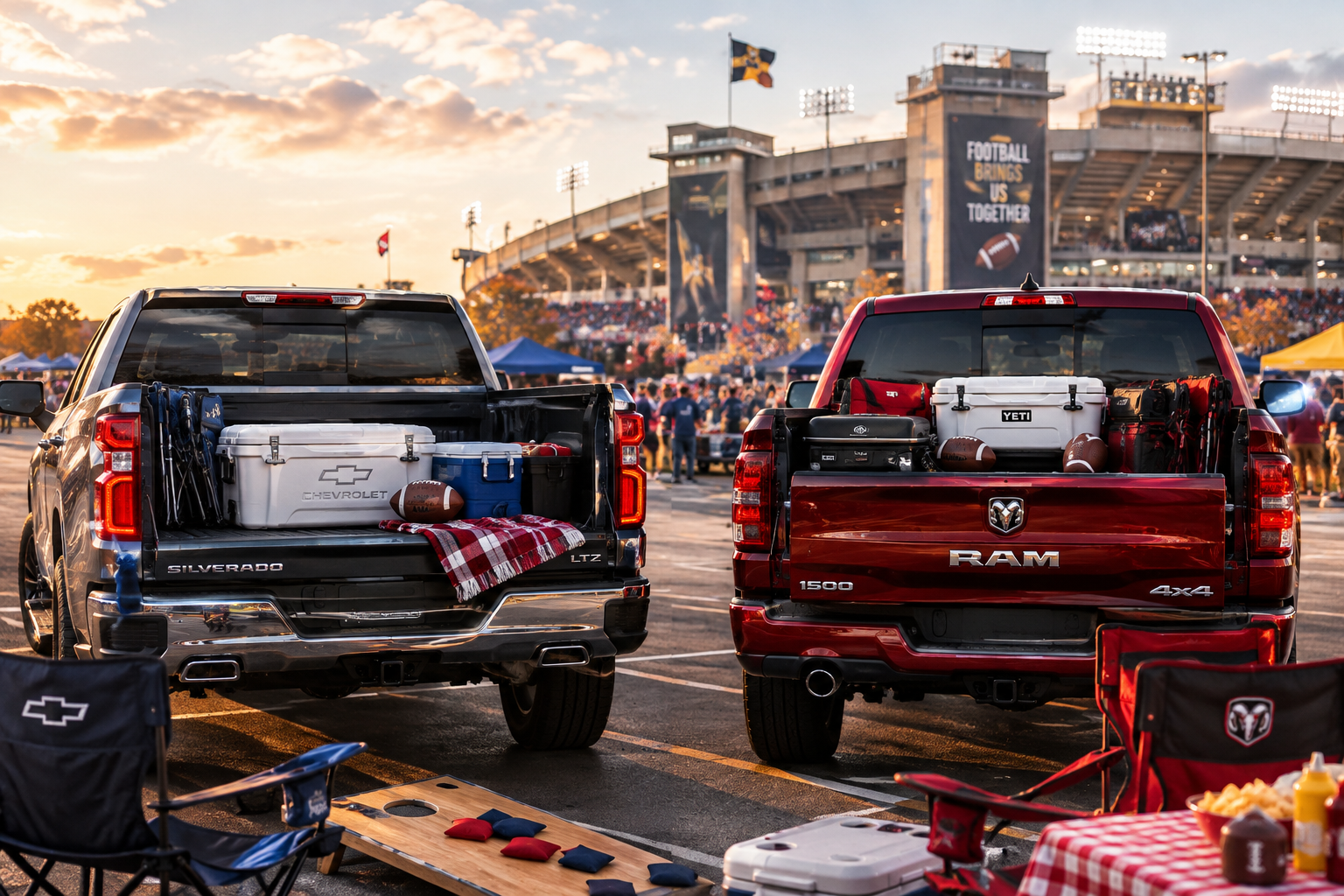
Fall in Wichita means cooler temperatures, football weekends, good food, and plenty of opportunities to gather with friends and family. Whether you're heading to a high school game, college football matchup, or hosting a tailgate of your own, the right vehicle can make game day even better. From spacious SUVs to capable trucks, today's vehicles offer plenty of features that can make transporting your crew, gear, coolers, chairs, and everything else easier. Here are some of the best types of vehicles to consider for your next fall football adventure. Trucks: The Ultimate Tailgate Vehicle When it comes to tailgating, trucks are hard to beat. A pickup gives you plenty of room for the gear you don't want inside the cabin. Coolers, folding chairs, tents, grills, sports equipment, and other tailgate essentials can all ride in the bed. Models like the Chevrolet Silverado 1500 and Ram 1500 offer the capability and space that make them excellent choices for football weekends. Plus, many modern trucks offer available features that make tailgating even easier, including power outlets, built-in storage, multiple USB ports, and versatile tailgate designs. Best for: Large tailgates, outdoor enthusiasts, and anyone who likes to bring everything but the kitchen sink. SUVs: Bring the Whole Crew If your football weekends usually involve family and friends, an SUV can be a great option. Vehicles like the Chevrolet Tahoe, Jeep Grand Cherokee, and Mazda CX-90 provide a combination of passenger space and cargo room. Depending on the model and configuration, you can bring several passengers while still having room for coolers, blankets, chairs, and game-day gear. SUVs also offer another major advantage during Kansas fall weather: flexibility. One weekend might bring perfect football weather, while the next could bring rain, wind, or dropping temperatures. Available all-wheel drive or four-wheel drive can provide added confidence when conditions change. Best for: Families, groups of friends, and road trips to away games. Crossovers: The Perfect Balance You don't necessarily need a full-size truck or large SUV to enjoy tailgate season. A crossover such as the Mazda CX-5 or Chevrolet Equinox can give you a great combination of everyday drivability, passenger space, and cargo flexibility. Crossovers are especially appealing if your vehicle needs to handle more than football weekends. They can make the morning commute, school drop-off, grocery runs, and weekend adventures just as easily. Fold down the rear seats when you need additional cargo space, load up the cooler, grab your chairs, and you're ready for kickoff. Best for: Everyday drivers who want versatility without stepping up to a full-size SUV. What Should You Look for in a Tailgate Vehicle? Before choosing your next vehicle, think about how you actually spend your football weekends. Cargo Space How much room do you need for coolers, chairs, grills, tents, sports equipment, and other gear? Passenger Space Are you usually bringing a few friends or the entire family? Towing Capability If you plan to tow a camper, trailer, boat, or other recreational equipment, make sure the vehicle you choose has the capability you need. All-Weather Capability Kansas weather can change quickly during the fall. Available AWD or 4WD can provide additional confidence when rain, mud, or changing road conditions enter the picture. Technology Modern vehicles can make long drives and crowded game days easier with features such as smartphone connectivity, multiple charging ports, navigation, and available Wi-Fi. Comfort Football season can mean spending hours on the road. Comfortable seating and a spacious cabin can make those trips much more enjoyable. Make the Most of Fall Football The best tailgate vehicle isn't necessarily the biggest vehicle. It's the one that fits your lifestyle. Whether you need the bed of a truck, the passenger space of an SUV, the flexibility of a crossover, or the family-friendly practicality of a minivan, there's a vehicle that can help make your fall weekends easier. And when you're ready to find the right vehicle for your next football adventure, Davis-Moore Auto Group has a variety of new and pre-owned vehicles to explore. So grab your cooler, load up the crew, and get ready for kickoff. Fall football season is here!

Leasing or Financing: Which Option Is Right for You?

Buying a new vehicle is an exciting milestone, but one of the biggest decisions you'll make comes before you even drive off the lot: Should you be leasing or financing? Both options offer unique benefits, and the right choice depends on your driving habits, budget, and long-term goals. Whether you're shopping for a new Jeep, Chevrolet, Mazda, Chrysler, Dodge, Ram, or another vehicle, understanding the differences can help you make a confident decision. Let's break down the pros and cons of leasing and financing so you can determine which option best fits your lifestyle. What is the difference between leasing and financing? Which options works best for you? What Does It Mean to Lease a Vehicle? When you lease a vehicle, you're essentially paying to drive it for a set period, typically 24 to 36 months. Instead of paying toward ownership, you're paying for the vehicle's depreciation during your lease term. At the end of your lease, you generally have three options: Return the vehicle and lease a new one. Purchase the vehicle. Return the vehicle and explore other options. Leasing is a popular choice for drivers who enjoy upgrading to the latest models every few years. Benefits of Leasing Lower Monthly Payments Because you're paying for the vehicle's depreciation rather than its full purchase price, lease payments are often lower than finance payments. Drive the Latest Technology Leasing makes it easier to enjoy the newest features, including: Advanced safety technology Updated infotainment systems Improved fuel efficiency Modern styling Lower Maintenance Costs Many leased vehicles remain under the manufacturer's warranty throughout the lease term, which can help reduce unexpected repair costs. More Flexibility If you enjoy driving a new vehicle every few years, leasing allows you to upgrade more frequently without worrying about selling or trading in your current vehicle. What Does It Mean to Finance a Vehicle? Financing means you're purchasing the vehicle by making monthly payments over a set loan term. Once the loan is paid off, the vehicle is yours. Financing builds equity in your vehicle, making it a great long-term investment for many drivers. Benefits of Financing You Own the Vehicle Once you've paid off your loan, you own the vehicle outright. That means no monthly payments and the freedom to keep it for as long as you'd like. No Mileage Restrictions Unlike most leases, financing doesn't include mileage limits. If you drive long distances for work, road trips, or family activities, financing may be the better fit. Customize Your Vehicle Because you own the vehicle, you can personalize it with accessories, lift kits, wheels, window tint, and other upgrades without lease restrictions. Build Equity Every payment brings you closer to full ownership. If you decide to trade in your vehicle later, its value can help offset the cost of your next purchase. Lease vs. Finance at a Glance Leasing Financing Lower monthly payments Build ownership and equity New vehicle every few years Keep your vehicle as long as you want Warranty coverage during most lease terms No mileage restrictions Mileage limits apply Customize your vehicle freely Return or purchase at lease end Vehicle becomes yours after payoff Which Option Fits Your Lifestyle? Leasing May Be Right for You If You: Like driving a new vehicle every few years Want lower monthly payments Drive fewer miles each year Enjoy having the latest technology and safety features Prefer warranty coverage for most of your ownership experience Financing May Be Right for You If You: Plan to keep your vehicle for many years Drive long distances regularly Want to build equity Like customizing your vehicle Want complete ownership Questions to Ask Yourself Before deciding, consider these questions: How many miles do I drive each year? How long do I usually keep my vehicles? Is having the latest technology important to me? Do I want lower monthly payments or long-term ownership? Will I customize my vehicle? Your answers can help point you toward the option that best fits your lifestyle and budget. Let Davis-Moore Help You Decide Choosing between leasing and financing doesn't have to be complicated. At Davis-Moore, our team is here to explain both options, answer your questions, and help you find a payment plan that works for your needs. Whether you're looking for the flexibility of a lease or the long-term value of financing, we'll help you make an informed decision with no pressure. Stop by one of our dealerships or contact our team today to explore your options and find the vehicle that's right for you. Because at Davis-Moore, we're committed to helping you enjoy every mile, whether you lease it or own it.