






Blog / Engine Advice

Blog

All Engine Advice Davis-Moore Auto Group Wichita Group Dealer Wichita Used Cars Best Places to Eat in Wichita Davis-Moore Auto Group Service Wichita Dining Spots Wichita Hot Spots Date Ideas in Wichita Wichita Attractions Wichita Museums Car Advice Car Buying Tips Chevy SUV's Chevy Trucks Desserts in Wichita Fiat 124 Spider Fine Dining in Wichita Holiday Gift Ideas New Drivers Pre-Owned Road trip vehicles Vegetarian Dining in Wichita Wichita Chevy Dealer Wichita Culinary Institutions Wichita Fiat Dealer 2018 Chrysler Pacifica in Wichita 2018 FIAT 124 Sp;ider 2019 Chevy Silverado 2500 2019 Chevy Trax 2019 Dodge Journey 2019 Mazda3 2020 Chevrolet Silverado 1500 2020 Chevy Equinox 2020 Chevy Silverado 1500 2020 Chevy Suburban 2020 Chevy Tahoe Adult Art Classes in Wichita Alfa Romeo dealer Arcades in Wichita Bakeries in Wichita Best Live Performances in Wichita Best Road Trip Cars Bookstores in Wichita Cars for Grads Cars for New Drivers Cloth vs. Leather seats Driving with Pets Family friendly activities Family Vehicles Finance Gaming bars in Wichita Healthy Dining in Wichita Heavy Duty Trucks Ice Cream in Wichita Jeep Cherokee Learning to paint Mazda Mazda CX-3 Movie Theaters Nail Salons Off-Road Features Off-Road Trails Pet Friendly Businesses in Wichita Saving for a new car Shopping in Wichita Spas in Wichita Steak in Wichita Summer family activities in Wichita Swimming lessons in Wichita Swimming pools in Wichita Theatre Travelling with Pets Upcoming Wichita Festivals Wheel Alignment Where to get Chinese Dumplings in Wichita Where to Watch a Movie in Wichita Wichita Wichita Bakeries Wichita Best Coffee Spots Wichita deli Wichita delicatessens Wichita Dog Friendly Businesses Wichita Events Wichita Group Service Wichita Holiday Events Wichita Mazda Dealer Wichita Movie Theaters Wichita Nail Salons Wichita Staycation Wichita Steakhouses Winter attractions Winter Driving Tips
Oil Change

Why Changing Your Oil for the Winter Season is Important

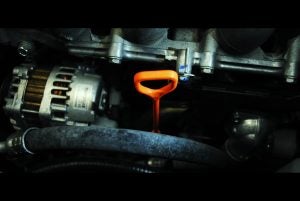
As the cold winter weather approaches, it's important to get your car ready for the challenges of this time of year. While there are several ways that you can winterize your car, the most important is changing your engine oil. The oil that you use during the warmer months typically won't be suitable during the winter, and if you neglect to change your oil before lower temperatures arrive, big problems may result. Read on to find out why changing your oil before winter is so important, and get some other useful tips for winterizing your automobile. Low Temperatures and Engine Oil One of the things many people don't understand about engine oil is that it needs to be at the correct viscosity to function properly. This is especially true during the winter season. When the outside temperature drops, most engine oils will thicken, which makes it very difficult for the oil to make its way through the system. If the oil is too thick, starting your car can be very difficult or impossible in some cases. more Choosing Your Engine Oil If you want to make sure you're choosing the right engine oil for winter, you should look for an oil that's branded with the letter W. An oil with this letter is designed specifically for colder weather, meaning it will keep your engine protected throughout the winter season. The number before the W indicates how effective the oil will be in the cold. If you want your engine to work the way it should, look for a 5W engine oil, which is the minimum recommended rating for driving in cold weather. For extreme cold, you may want to use a synthetic oil with an even lower W rating. Other Car Winterization Tips After you've squared away your engine oil, you can move on to winterizing the rest of your car. The cold winter months can be harsh on virtually every aspect of your automobile, so it's important to make sure both the inside and outside of your car are ready for the frigid temperatures. First, you should check the quality of your battery to make sure its ready for winter. If your battery is on the older side, extremely low temperatures may prevent it from functioning properly, meaning you may not be able to start your car. Visit your local dealership service department and have them check your battery to see if it needs to be replaced before winter arrives. Second, if wintry precipitation is a concern in your area, you may want to invest in a set of snow tires. Having these tires on your vehicle means you'll have the traction you need when the road is covered with snow and ice. Lastly, pack an emergency kit in your car. Include blankets and warm clothes, smartphone battery chargers, and a supply of snacks and water so you'll be safe if your car brakes down. Change your oil before winter and winterize the rest of your car, and you should be able to easily make it through the coldest months. https://www.flickr.com/photos/hardchessesandyou/5006451511/sizes/l Image via Flickr by M I T C H Ǝ L L
Engine Advice in Wichita, KS | Davis-Moore Auto Group

What Your Engine Sounds May Be Telling You

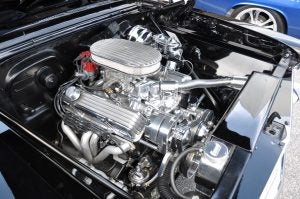
A noisy car isn't necessarily a cause for concern, but if yours starts making strange and abnormal sounds, you should take notice. Before you shrug it off and hope it goes away, or panic and jump to conclusions, read about a few of their possible explanations and get a clear idea of what you may be dealing with. Clicking and Tapping If you hear clicking and tapping sounds which get louder as you increase speed, there could be one of two things wrong: either your oil pressure is low, or there is a damaged part. You can rule out low oil pressure by checking your oil pressure gauge or taking the dipstick out and seeing whether there's enough oil. If there's a damaged or worn-out part, you will need a mechanic to investigate further. more Squealing If your car is screaming like a banshee, you have cause for concern, other than the obnoxious sounds. This is a telltale sign that your car's serpentine belt is loose or worn. If you keep driving with this squealing going on, the belt will eventually break, and you'll lose all drive torque and your car will stop running. Make an appointment with your mechanic in a timely fashion, unless you want to end up stranded and waiting for a tow truck. Grinding and Clunking A grinding or clunking sound probably signals an issue with your car's transmission. If it's a manual transmission, the sound will worsen when you shift gears. This problem could be caused by dirt and grease blocking the transmission. The grinding sounds could also be due to your brakes, so in order to rule this out, check the front brake pads for signs of wear. Hissing or Gurgling A hissing sound could mean your car's engine is overheating due to a problem with its cooling system. If there is a problem with one of the hoses involved in the cooling system, high-pressure air, steam, or fluid may be leaking in or out. A gurgling sound could come from the coolant reservoir. You might even see steam, or see puddles of liquid under your car in the morning. A leaking vacuum device could also be the culprit, and will probably also come with a feeling of rough or uneven idling. Rattling and Whining If your car begins to rattle or whine when you accelerate, it could mean the camshaft belt, or timing belt, is badly aligned or slipping. A roughly-idling engine, smoking engine, or low oil pressure could also be symptoms. If you have the right knowledge, a bad timing belt is something you could look at yourself to diagnose. You'll want to have it fixed by a skilled mechanic, though, because while this problem isn't an emergency, you could wind up with more trouble down the road if neglected or addressed poorly. If you notice any of these signs, you are already ahead of the curve and have probably caught the problem in time. Though there is no need to panic, you will still want to get it serviced as soon as you can. Left untreated, any abnormal sound could turn into a problem down the road. Photo via Flickr by WalterPro | Licensed by cc BY 2.0

Contact Us

Fill out this form below and we'll contact you shortly
*Required Fields